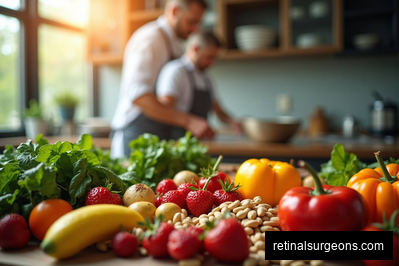
Introduction
The eye, a small but complex organ, is significantly impacted by diet and nutrition. The retina, in particular, is sensitive to nutritional changes. This delicate tissue, responsible for converting light into neural signals for the brain to interpret, relies on a robust diet to function optimally. Moreover, post-surgery recovery of the retina can be significantly influenced by the quality of nutrition a person receives.
This blog post will delve into the role of diet and nutrition in retinal health and recovery post-surgery, focusing on the influence of various nutrients, the benefits of a balanced diet, and the potential effects of dietary supplements.
As we delve deeper into the intricacies of the eye's relationship with diet and nutrition in this introduction, it becomes apparent that various nutrients play crucial roles in maintaining optimal eye health. For example, antioxidants like vitamin C and E help protect the eyes from oxidative stress and age-related macular degeneration. Additionally, omega-3 fatty acids found in fish are essential for the proper functioning of the retina, supporting visual development and function.
Understanding the importance of these specific nutrients and their impact on the eye underscores the significance of a balanced and nutrient-rich diet for maintaining good vision. This introduction sets the stage for exploring how dietary choices can positively influence eye health and prevent potential vision problems in the long run.
The Role of Diet in Retinal Health
Several nutrients play key roles in maintaining retinal health. For example, antioxidants such as Vitamins A, C, and E protect the retina from oxidative stress, which can cause cellular damage. Furthermore, Omega-3 fatty acids, particularly DHA, are essential for retinal function. A study published in the American Journal of Clinical Nutrition found that higher dietary intake of omega-3 fatty acids was associated with a lower risk of age-related macular degeneration.
Lutein and zeaxanthin, found in green leafy vegetables, are also crucial for retinal health. These carotenoids, naturally present in the retina, aid in filtering harmful blue light and neutralizing free radicals. A 2017 study in the journal Nutrients found that diets high in lutein and zeaxanthin can reduce the risk of chronic eye diseases.
In addition to antioxidants like Vitamin C and E, omega-3 fatty acids found in fish oil are vital for maintaining retinal health. These fatty acids help reduce inflammation in the eyes and support proper functioning of the retinal cells. Including sources of omega-3s, such as salmon, mackerel, or flaxseeds, in your diet can contribute significantly to preserving your vision. Moreover, lutein and zeaxanthin, found in leafy greens like spinach and kale, are known to protect the eyes from harmful blue light and oxidative damage. A well-rounded diet rich in these nutrients can be a powerful ally in safeguarding your retinal health.
Nutrition and Retinal Recovery Post-Surgery
Nutrition also plays a vital role in the recovery of the retina post-surgery. A balanced diet rich in vitamins, minerals, and antioxidants can aid in cellular repair and reduce inflammation. For instance, Omega-3 fatty acids have anti-inflammatory properties and can promote faster healing post-surgery. A 2018 study in the European Journal of Ophthalmology reported that supplementation with omega-3 fatty acids improved visual recovery in patients following retinal detachment surgery.
Vitamin C, known for its immune-boosting properties, is also beneficial in post-operative recovery. It aids in collagen formation, a crucial component of the eye's structure, and protects against infection by boosting the immune system. Consuming fruits and vegetables high in Vitamin C, such as citrus fruits and bell peppers, can support faster recovery.
In addition to a balanced diet, incorporating specific nutrients known to promote retinal health can significantly aid in the recovery process post-surgery. For instance, foods rich in omega-3 fatty acids like salmon, walnuts, and flaxseeds can help reduce inflammation in the retina, potentially speeding up healing. Antioxidant-rich foods such as leafy greens, berries, and carrots are also beneficial as they protect the delicate retinal tissues from oxidative stress, crucial for optimal recovery. Furthermore, ensuring adequate intake of vitamins C and E, zinc, and lutein through dietary sources or supplements can provide essential support for the regeneration and repair of retinal cells.
Dietary Supplements and Retinal Health
While a balanced diet is the best source of essential nutrients, dietary supplements can also support retinal health and recovery post-surgery. However, it's important to approach them with caution. While the Age-Related Eye Disease Study (AREDS) found that a specific high-dose formulation of antioxidants and zinc significantly reduced the risk of advanced AMD and its associated vision loss, indiscriminate use of these supplements can have adverse effects. Therefore, it's recommended to consult an ophthalmologist or a dietician before starting any supplement regime.
Moreover, while certain supplements can support eye health, they cannot replace a balanced diet. Consuming a variety of nutrient-rich foods should be the primary strategy for maintaining retinal health and promoting recovery post-surgery.
In the realm of retinal health, certain dietary supplements stand out for their remarkable benefits. For instance, studies have shown that supplements containing lutein and zeaxanthin, powerful antioxidants found in leafy greens like spinach and kale, can specifically support the health of the macula, the central part of the retina responsible for sharp, detailed vision. Additionally, Omega-3 fatty acids, commonly found in fish oil supplements, have been linked to reducing the risk of age-related macular degeneration, a leading cause of vision loss. When combined with a nutrient-rich diet, these targeted supplements can play a vital role in preserving and enhancing retinal health.
Conclusion
In conclusion, a balanced diet rich in vitamins, minerals, antioxidants, and omega-3 fatty acids plays a crucial role in maintaining retinal health and supporting recovery post-surgery. While dietary supplements can provide additional support, they should not replace a balanced diet and should be used under the guidance of a healthcare professional. By prioritizing good nutrition, individuals can take a proactive role in supporting their retinal health and recovery.
Remember, your eyes are an important part of your health. There are many things you can do for your eyes – maintaining a healthy diet being one of the most beneficial. So, let's eat right to keep our sight!
As we wrap up our discussion on the importance of a balanced diet, it's crucial to highlight the role of hydration in overall well-being. While we often focus on food choices, adequate water intake is equally vital for optimal health. Water not only aids in digestion and nutrient absorption but also helps regulate body temperature and flush out toxins. Just like a balanced diet, staying hydrated is a cornerstone of a healthy lifestyle. Incorporating hydrating foods like cucumbers, watermelon, and soups can further boost your hydration levels and support your body's functions.